
In the world of health and wellness, the term “free radicals” is frequently discussed, often with an air of caution. But what are free radicals, and why should you be concerned about them? Let’s delve into this hidden threat to your health, unravel the science behind it, and explore ways to protect yourself.
What Are Free Radicals?
Free radicals are highly reactive molecules or atoms with unpaired electrons in their outer shells. To achieve stability, they seek out other molecules and steal electrons, creating a domino effect of electron theft. This process, called oxidative stress, can lead to cell damage and various health issues.
Sources of Free Radicals:
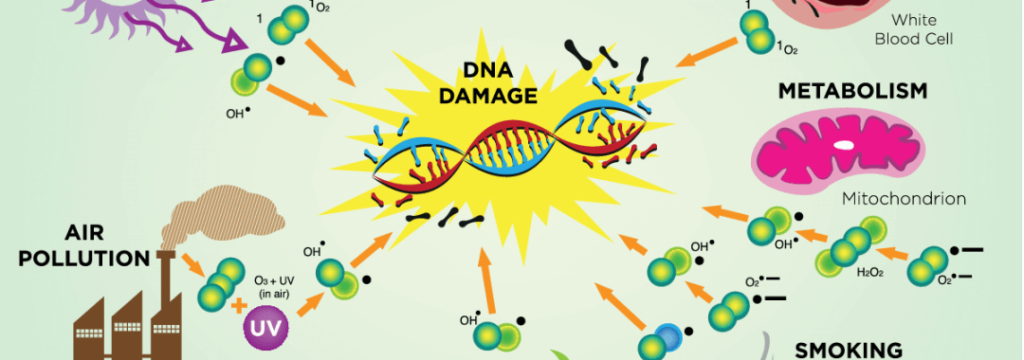
- Metabolism: Free radicals are produced naturally during cellular metabolism, especially in the mitochondria, where energy is generated.
- Environmental Factors: Exposure to pollutants, cigarette smoke, radiation, and certain chemicals can increase free radical production.
- Diet: Some foods, particularly those high in trans fats, refined sugars, and additives, can contribute to oxidative stress when consumed in excess.
- Inflammation: Inflammatory processes in the body can produce free radicals as a part of the immune response.
The Harmful Effects of Free Radicals:
Free radicals can wreak havoc on your health in several ways:
- Cellular Damage: When free radicals steal electrons from healthy cells, it can lead to cellular damage and dysfunction. Over time, this damage accumulates and contributes to aging and disease.
- DNA Mutations: Free radicals can alter the structure of DNA, potentially leading to mutations that increase the risk of cancer.
- Oxidative Stress: Chronic oxidative stress is linked to various health conditions, including cardiovascular disease, diabetes, neurodegenerative diseases, and autoimmune disorders.
- Accelerated Aging: Excessive free radical activity can accelerate the aging process, leading to premature aging of the skin and organs.
Protection Against Free Radicals:
Fortunately, your body has a defense system in place to neutralize free radicals, consisting of antioxidants. Antioxidants are molecules that can safely donate electrons to free radicals without becoming unstable themselves. Here are ways to bolster your antioxidant defenses:
- Diet: Consume a diet rich in antioxidants, including fruits, vegetables, nuts, and whole grains. Berries, leafy greens, and spices like turmeric are particularly potent sources.
- Supplements: Consider taking antioxidant supplements like vitamins C and E, selenium, and coenzyme Q10 if your diet lacks these nutrients.
- Lifestyle Choices: Avoid smoking and limit alcohol consumption. Engage in regular physical activity to reduce oxidative stress.
- Stress Management: Chronic stress can increase free radical production. Incorporate stress-reduction techniques like meditation, yoga, or deep breathing exercises into your daily routine.
- Skincare: Use sunscreen and skincare products with antioxidants to protect your skin from UV-induced free radical damage.
Understanding free radicals and their impact on your health is the first step toward protecting yourself from their harmful effects. By adopting a diet rich in antioxidants, making healthy lifestyle choices, and incorporating stress management techniques, you can fortify your body’s defenses against free radicals and promote long-term well-being.