
In the contemporary era characterised by rapidity, it is of utmost importance to prioritise the preservation of our well-being. With the progress of research, we are acquiring a more profound comprehension of the many elements that contribute to our state of well-being. Oxidative stress is a contributing component that has a substantial impact on several health disorders, including cancer. This blog will examine the notion of oxidative stress, its connection to cancer, and the potential of wheatgrass, a natural superfood, to support equilibrium and enhance general well-being.
Oxidative stress is the result of an imbalance between highly reactive molecules called free radicals and molecules known as antioxidants, which have the ability to neutralise free radicals, within the body. An excess of free radicals compared to antioxidants can harm cells, proteins, and DNA, possibly causing a range of health problems, such as cancer.
The Relationship Between Oxidative Stress and Cancer: Extensive scientific study has firmly established a robust correlation between oxidative stress and the onset and progression of cancer. Extended exposure to oxidative stress can initiate DNA alterations and hinder the body’s capacity to mend damaged cells. These variables contribute to the onset and advancement of malignant tumours.
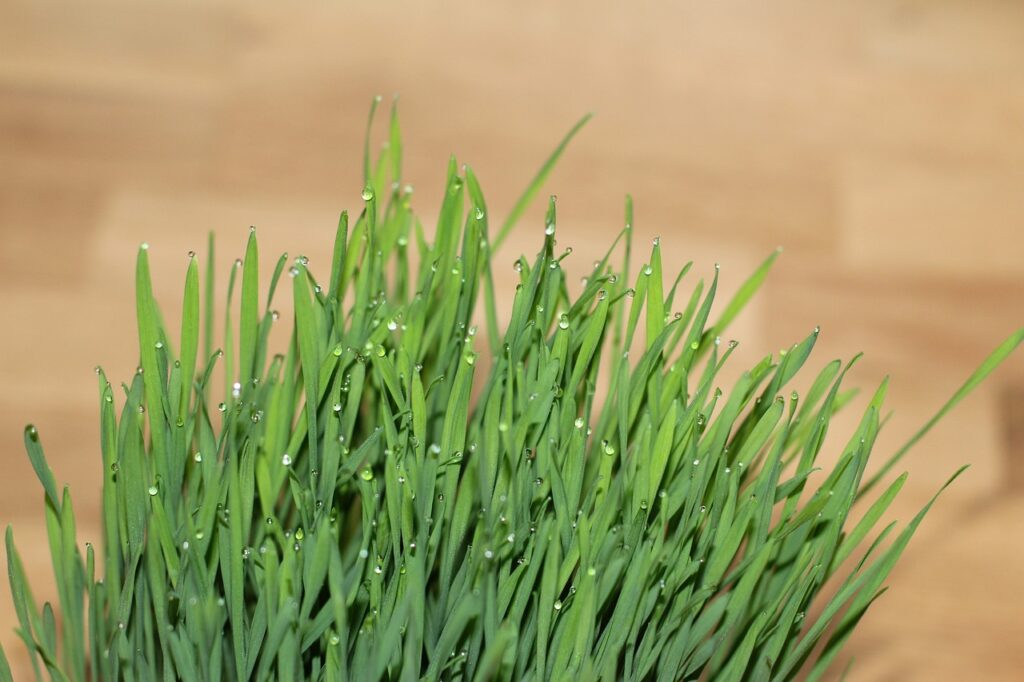
Wheatgrass: An Organic Source of Powerful Antioxidants: Wheatgrass is the juvenile grass of the wheat plant, technically referred to as Triticum aestivum, that is abundant in nutrients. In recent years, it has become increasingly popular due to its possible health advantages, including its antioxidant capabilities. Wheatgrass can effectively counteract oxidative stress and promote general well-being.
Abundant in Antioxidants: Wheatgrass has a high concentration of vital antioxidants such as vitamins A, C, and E, as well as enzymes like superoxide dismutase (SOD). These antioxidants collaborate to counteract free radicals, therefore diminishing oxidative stress.
Detoxification: Wheatgrass is renowned for its ability to cleanse the body. It aids in detoxifying the liver and improving kidney function, so boosting the body’s capacity to remove toxins that cause oxidative stress.
Wheatgrass provides immune system support by supplying essential vitamins and minerals, including iron and zinc, which enhance the immune system. An immune system that is strong and resilient is more effective in protecting the body from oxidative stress and the possible formation of cancer cells.
Alkalizing Properties: Wheatgrass possesses the ability to alkalize the body, aiding in the maintenance of its pH levels. The presence of alkalinity can generate an environment that is less favourable for the proliferation of cancer cells.
To maximise the possible advantages of wheatgrass, contemplate integrating it into your regular regimen. Wheatgrass pills, fresh wheatgrass juice, and home cultivation are all available options for obtaining wheatgrass. Prior to making substantial alterations to your diet or incorporating supplements, it is essential to get guidance from a healthcare practitioner, particularly if you have preexisting medical concerns or are receiving cancer treatment.
In conclusion, oxidative stress plays a crucial role in the genesis and progression of cancer. By integrating wheatgrass into your daily routine, you may introduce a natural and potent source of antioxidants that might potentially contribute to maintaining equilibrium and enhancing general health. It is important to keep in mind that although wheatgrass can be a beneficial supplement to your health routine, it should be used alongside, rather than as a substitute for, traditional cancer therapy. It is important to get advice from a healthcare professional for individualised recommendations on how to manage oxidative stress and avoid cancer.